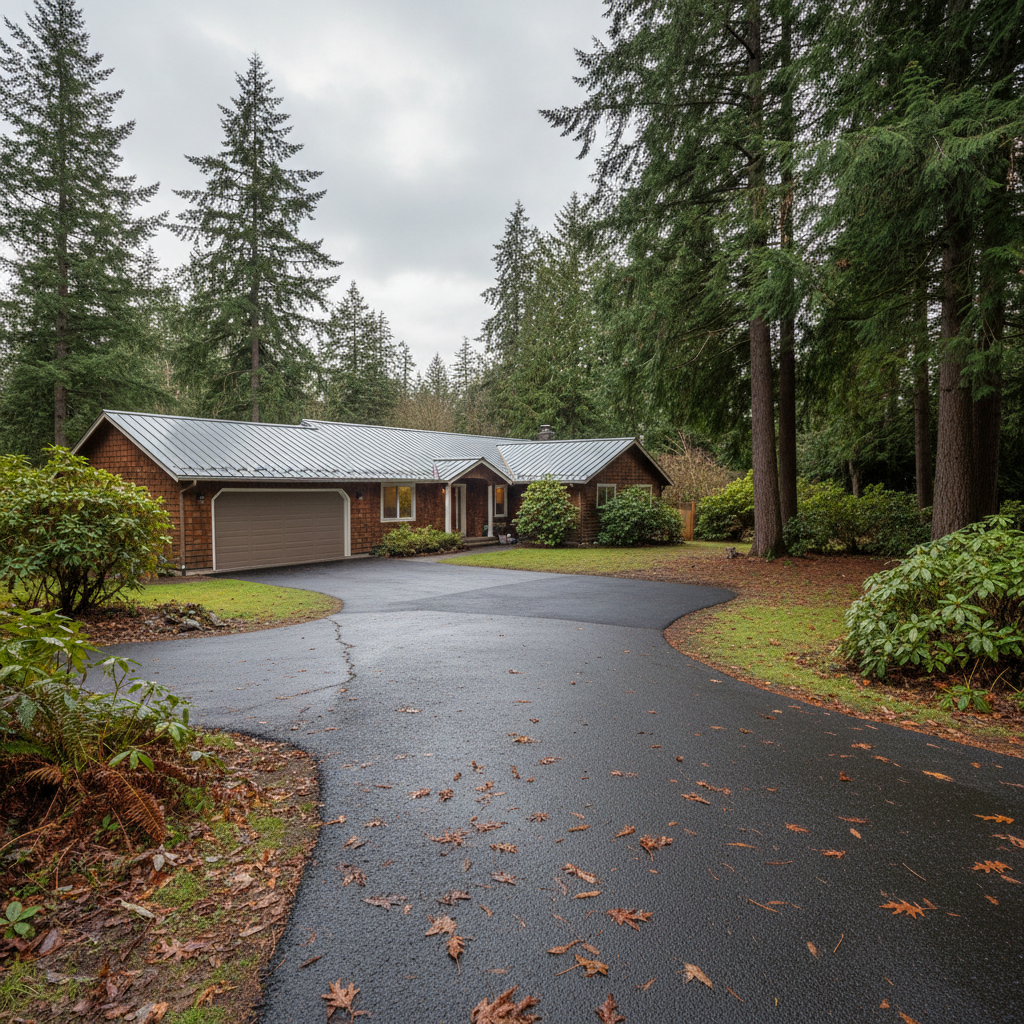
Alright, let's talk about asphalt repairs here in Bremerton. You've got cracks, potholes, or maybe just some general wear and tear, and you're thinking about getting it fixed. Good call. But the big question I get a lot is, "When's the best time to do it?" It's not as simple as just picking a sunny day, especially with our Pacific Northwest weather.
Why Bremerton Weather Matters for Asphalt Work
Our climate around the Puget Sound is pretty unique, right? We get a lot of rain, mild winters, and summers that are usually dry but not scorching hot. This all impacts how asphalt behaves and how well repairs will hold up. Asphalt, at its core, is a mix of aggregate (rocks, sand) and a binder (bitumen, which is a petroleum product). Temperature affects that binder big time.
When it's too cold, the asphalt mix gets stiff and hard to work with. It doesn't compact properly, and you end up with a weaker repair that's more prone to cracking again. Too hot, and the asphalt can get too soft, making it tough to compact correctly without pushing it around, or it might cool down too fast before we've really worked it in. And rain? Well, water and fresh asphalt just don't mix. It compromises the bond and can lead to premature failure.
The Best Windows for Asphalt Repair
So, what does that mean for you? Generally, the sweet spot for most asphalt repairs in Bremerton is late spring through early fall. We're looking for consistent temperatures, ideally above 50°F (10°C), and dry conditions. This allows the asphalt to be pliable enough for proper placement and compaction, and then to cure effectively.
- Late Spring (May-June): This is often a fantastic time. The ground has usually dried out from the winter rains, and temperatures are reliably climbing. You're less likely to hit unexpected cold snaps or heavy downpours.
- Summer (July-August): This is prime time. Long, dry days and warm temperatures mean ideal conditions for almost any asphalt work. The material stays workable, and it cures beautifully.
- Early Fall (September-October): Still a good window, but you're starting to play a bit of a gamble with the weather. We can get some gorgeous, dry stretches, but you also start seeing those first serious rainstorms roll in. If you're scheduling for this period, flexibility is key.
What about winter? I've had folks call me in December asking for major repairs. While we can do temporary patches in colder, wet conditions – often using cold mix asphalt – these aren't meant to be permanent solutions. They're quick fixes to prevent further damage until the weather breaks. For a lasting repair, you really need to wait for better conditions.
Protecting Your Investment Year-Round
Even after a great repair by Synergy Asphalt Bremerton, your asphalt needs a little love to stand up to our climate. Here's what I tell my neighbors:
- Keep it Clean: Don't let leaves, dirt, and debris sit on your asphalt for long periods, especially in the fall. They trap moisture, which can accelerate deterioration. A good sweep or blow-off now and then helps.
- Address Spills Immediately: Oil, gas, and other chemicals can break down the asphalt binder. If you have a leaky car, put down a drip pan. Clean up spills quickly with an absorbent material.
- Watch for Water: Proper drainage is critical. If you've got standing water on your driveway after a rain, that's a problem. It can seep into cracks, freeze, expand, and turn small issues into big potholes. Sometimes, a simple fix to a downspout or a small landscape adjustment can make a huge difference. I've seen driveways in older neighborhoods like Manette where poor drainage from uphill properties just eats away at the asphalt.
- Don't Overload It: Heavy vehicles, especially repeatedly in the same spot, can stress your asphalt. If you're getting a huge delivery, ask them to park on the street if possible.
- Sealcoating (When Appropriate): I know there are other posts about sealcoating, but it's worth mentioning briefly here as a protective measure. It's like sunscreen for your asphalt, protecting it from UV rays and moisture. Just make sure your repairs are solid before you sealcoat over them.
Ultimately, being proactive about maintenance and understanding how our local weather impacts your asphalt is going to save you money and headaches in the long run. If you're unsure about the best time for your specific repair, just give us a call. We're happy to take a look and give you an honest assessment.