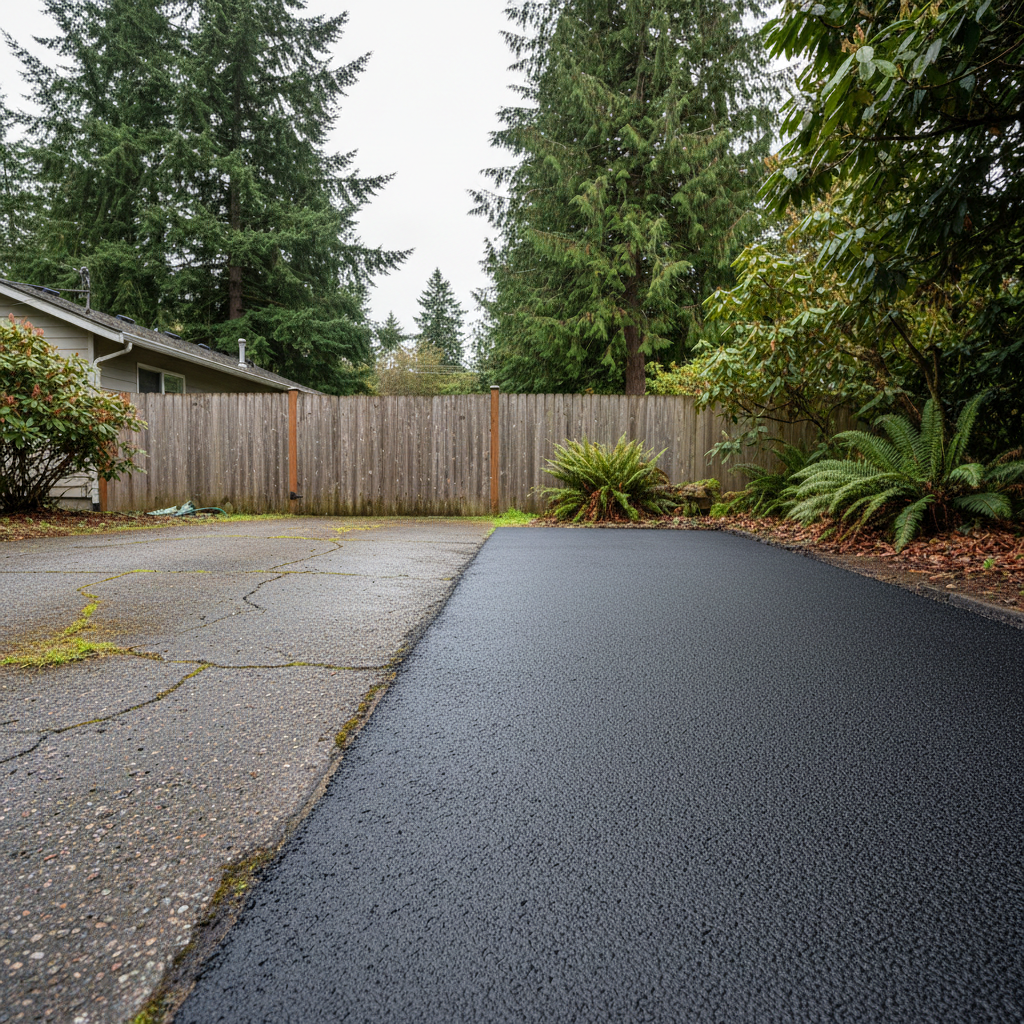
Your driveway's seen better days, hasn't it? Maybe you've got some spiderweb cracks, a few potholes, or just a generally faded, tired-looking surface. When you start thinking about fixing it up, two main ideas usually pop into a homeowner's head: patching or sealcoating. But these aren't interchangeable solutions, and knowing the difference can save you a lot of headache and money down the road.
Patching: When You Need Real Repair
Let's talk patching first. This isn't just slapping some cold patch on a pothole and calling it good. Real, lasting patching involves removing the damaged section of asphalt entirely, preparing the base underneath, and then laying down new, hot asphalt. Think of it like surgery for your driveway.
Cost: This is generally more expensive upfront than sealcoating. You're paying for labor, material removal, and new material installation. It's a more involved process. The cost varies a lot depending on the size and depth of the damage. A small, shallow patch is one thing; a large, deep pothole that needs base repair is another.
Durability: When done right, a patch is incredibly durable. It should blend seamlessly with the existing pavement and last for years, often as long as the original asphalt around it. The key here is 'done right.' If the base isn't prepared properly, or the new asphalt isn't compacted well, you'll be patching that patch sooner than you'd like.
Maintenance: Once a patch is installed, its maintenance is pretty much the same as the rest of your asphalt. Keep it clean, address any new cracks that form around it, and consider sealcoating the whole driveway later to protect it.
Appearance: A good patch, especially if it's a cut-and-remove job, should look pretty good. There will always be a seam, and the new asphalt will be a darker black than your aged pavement, but it's a solid, functional repair. It's not about making the whole driveway look brand new, but making the damaged section strong again.
When to choose it: You need patching when you have structural damage. That means potholes, deep alligator cracking (where the cracks form a pattern like alligator skin, indicating base failure), or sections that are sinking or crumbling. If you've got a soft spot in your driveway, especially common in areas with poor drainage or clay soils like we sometimes see in older Bremerton neighborhoods, patching is your only real option.
Sealcoating: Protection and Fresh Looks
Now, sealcoating. This is a preventative measure and a cosmetic refresh, not a structural repair. It's like putting a fresh coat of paint on your house or sunscreen on your skin. You're applying a thin liquid layer over the entire surface of your asphalt.
Cost: Generally much less expensive than patching. It's a surface application, so labor and material costs are lower per square foot. It's a great way to extend the life of a healthy driveway without breaking the bank.
Durability: A sealcoat typically lasts 2-4 years in our climate, depending on traffic, sun exposure, and how well it was applied. It protects the asphalt from UV rays, water penetration, and automotive fluids. It doesn't fix cracks or potholes; in fact, any existing cracks need to be filled *before* sealcoating, or the sealcoat will just crack right along with them.
Maintenance: Minimal. Keep it clean, and reapply every few years. That's about it. The biggest thing is making sure the surface is clean and dry before application, and then giving it plenty of time to cure before driving on it.
Appearance: This is where sealcoating shines. It restores that rich, dark black color to your asphalt, making it look almost new again. It also fills in minor surface imperfections and gives a smooth, uniform appearance. If you've got a lot of small, hairline cracks, a good sealcoat can sometimes bridge them, but it's not a fix for anything substantial.
When to choose it: You should sealcoat when your asphalt is generally in good condition but starting to fade, show some minor surface wear, or has small, non-structural cracks that have been filled. It's a proactive step to prevent bigger problems down the line, especially with all the rain we get here in Kitsap County. Water is asphalt's worst enemy, and sealcoating provides a protective barrier.
The Bremerton Recommendation
Here's the deal: you really need both, but at different times. If your driveway has actual damage – potholes, deep cracks, crumbling areas – you absolutely need to patch those first. Sealcoating over structural issues is like putting a band-aid on a broken leg; it might look better for a minute, but it won't hold up, and you'll waste your money.
Once those significant repairs are made, or if your driveway is just showing its age with fading and minor surface cracks, then sealcoating is your best friend. It protects your investment, extends the life of your asphalt, and keeps it looking sharp. Think of it as a cycle: patch when needed, then sealcoat every few years to protect those repairs and the rest of your pavement.
For homeowners in Bremerton, considering our wet winters and occasional hot summers, protecting your asphalt from water and UV damage is crucial. That's why I always recommend a regular sealcoating schedule, usually every 2-3 years, after any necessary patching has been completed. It's the most cost-effective way to keep your driveway functional and looking good for the long haul. Give us a call at Synergy Asphalt Bremerton if you're not sure which route to take; we can take a look and give you an honest assessment.